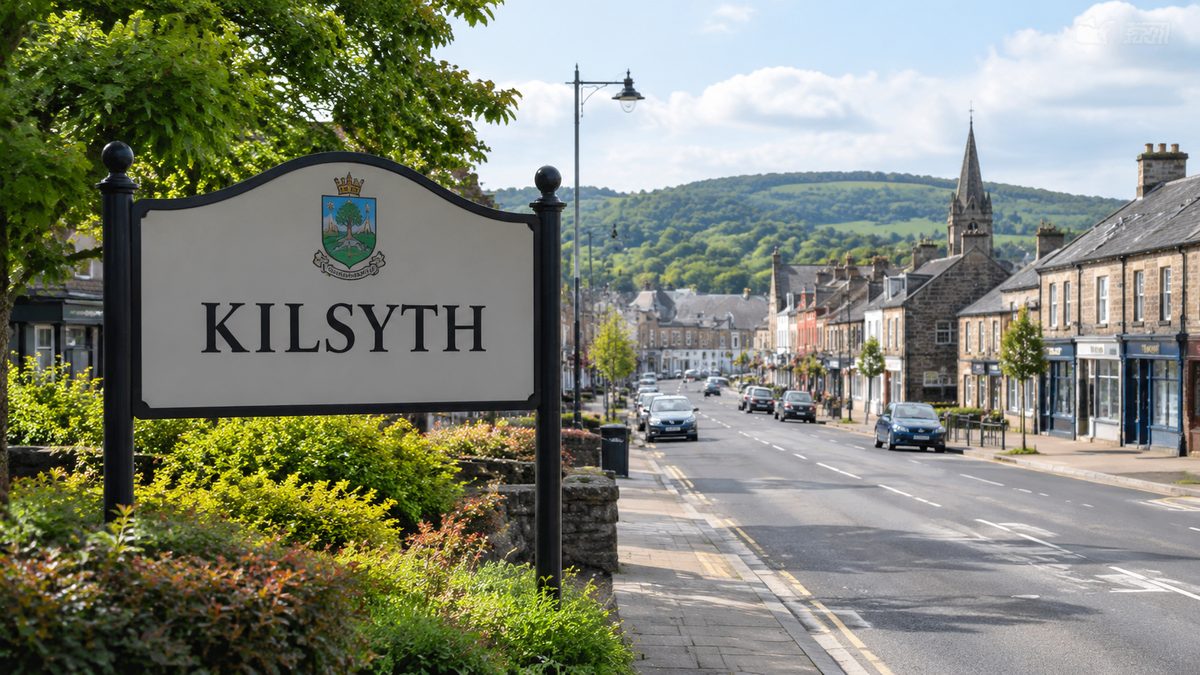
Kilsyth had 11,699 residents at the 2021 Australian census. That is the official population count for Kilsyth, Victoria, using the suburb boundary set by the Australian Bureau of Statistics. It’s the clearest answer to the question of how many people live in Kilsyth.
There is one catch. Population totals can differ when a source uses another boundary, date, or counting method. A council forecast may cover a wider local area, while a postcode search may pull in places beyond the official suburb. Kilsyth South, Victoria is a separate suburb, so it shouldn’t be added unless the question covers both areas.
Which figure should you use for Kilsyth?
Use 11,699 when you need Kilsyth’s official 2021 suburb population. The number comes from the Census and counts usual residents living within the set suburb boundary.
This figure works for a local profile, school project, business plan, property report, community grant, or comparison with another Suburb. It gives readers a clear number from a national data source, not an estimate pulled from a property website or local directory.
Write the number with its date and area: “Kilsyth, Victoria had a population of 11,699 at the 2021 Australian census.” This avoids two common mistakes. It ties the figure to 2021 and points to the Victorian suburb, rather than another place called Kilsyth.
The population has changed since Census night. Births, deaths, new homes, and people moving in or out all shift the current total. Still, 11,699 remains the latest complete official Census count until a later national count is released.
What does the Census number actually count?
The Census is a national survey of people and homes in Australia. The Australian Bureau of Statistics runs it every five years. It records where people live and collects details about age, households, jobs, education, language, housing, and other parts of community life.
Kilsyth’s figure is based on usual residence. Put simply, it describes people who normally live in the area, even if some were away on Census night. That gives a more useful view of the local community than counting only those physically present on one evening.
Usual residence matters in suburbs with hotels, hospitals, tourist stays, or many visitors. Kilsyth is mostly residential, but the same national rule applies. This keeps its figures comparable with other parts of Melbourne and Australia.
A Census is more than a head count. It links the population total with the kinds of households living in the suburb. Local groups can judge possible demand for meeting spaces, while businesses can estimate the size of a nearby customer base. Service planners can also compare the number of residents with local facilities. local community
But these uses need care. A population of 11,699 doesn’t mean every resident shops, studies, or gets care within Kilsyth. People cross suburb lines every day. The figure counts residents, not everyone who uses the area.
Why do some sources show a different population?
Different figures usually come from different dates or boundaries. That doesn’t always mean a source is wrong.
The official suburb boundary is one way to divide the area. A postcode is another. Council districts, voting areas, service zones, and statistical regions can each slice the map differently. A figure marked “Kilsyth area” might include nearby streets outside the suburb or miss streets that locals see as part of Kilsyth.
Dates create gaps too. The 2021 Australian census gives a count tied to August 2021. A newer estimate may try to allow for population changes since then. Forecasts go a step further and model what could happen in future years.
In my experience, the quickest way to sort out a mismatch is to read the small print beside each number. Check the reference year, place name, boundary type, and whether the figure is a count, estimate, or forecast. Most seeming conflicts vanish once those details sit side by side.
Rounding can cause smaller gaps. One report might say 11,699, while a short summary says about 11,700. Both show the same scale. A much bigger gap usually points to another area or method.
Is Kilsyth South included in the total?
No. Kilsyth South, Victoria is a separate suburb in official population data. Under the standard suburb boundaries, its residents aren’t included in Kilsyth’s total of 11,699.
The similar names make this an easy mistake. A local group may serve both suburbs and call its whole service area Kilsyth. Search tools may blend nearby places too. That wider use of the name can work for a delivery zone or community program, but it doesn’t change the Census map.
If a report covers both places, show each suburb’s population and explain that the combined total is for a custom area. Don’t call the sum Kilsyth’s official population.
Picture a business owner checking local demand. If deliveries cover Kilsyth and Kilsyth South, using only 11,699 would leave out part of the service area. But if the shop serves only the Kilsyth suburb boundary, joining both populations could make the nearby market look too large. The right figure depends on the area being studied.
How large is Kilsyth compared with its population?
Population size shows how many residents live in an area. Population density shows how closely they are spread across the available land. They answer different questions.
Kilsyth contains established homes, business sites, roads, reserves, and other land uses. Residents aren’t spread evenly through every part of the suburb. So a suburb-wide density figure is an average, not a snapshot of each street.
This matters when Kilsyth is compared with an inner Melbourne suburb. Two places can have similar populations but very different land areas and types of housing. Apartment districts may hold many people in a tight space. Outer suburbs tend to spread homes across more land, though density can change sharply from one neighbourhood to the next.
Density also depends on the boundary used for the calculation. An area with large parks or industrial land may look less dense, even when its housing streets feel busy. Density should support the population count, not replace it.
To calculate density, use population and land-area figures that share the same boundary and source period. Dividing a Census population by an unrelated postcode area creates a tidy number that means very little.
Did Kilsyth grow between the last two national counts?
Yes. Kilsyth had 10,891 residents at the 2016 Census and 11,699 at the 2021 count. That is a rise of 808 people, or about 7.4 per cent over five years.
The maths is simple: subtract 10,891 from 11,699, then divide that increase by the 2016 population. This gives the total change across the full period. It isn’t an annual growth rate.
The increase shows that more usual residents lived inside the measured suburb in 2021 than in 2016. It doesn’t explain why. Growth may come from new homes, more people in existing homes, fewer empty properties, or changes in household makeup. Migration and natural population change may play a part as well.
This is where many population articles stretch the evidence. A higher count doesn’t prove the suburb became more popular, every local business gained customers, or house prices rose because the population grew. Each claim needs separate proof.
The five-year change is still handy. It gives schools, clubs, shops, and service providers a measured sign that the resident base grew. They can then check whether their own enrolment, membership, demand, or customer figures moved the same way.
Can the 2021 count describe Kilsyth today?
It describes Kilsyth’s population at a clear point in time and remains the best complete benchmark. But it shouldn’t be called a live count.
Population changes daily, yet no agency tracks every move into and out of a suburb as it happens. Official records cover parts of the picture, while estimates use models to fill the gaps. Those tools can help, but they aren’t the same as a full national Census.
For a current article, say both things plainly: the latest complete Census count was 11,699 in 2021, and today’s population may be different. Don’t turn the official count into an unsupported 2026 figure just because someone reads the article in 2026.
A forecast needs a clear label too. If a council model projects a later population, call it a forecast and state the area it covers. Don’t place it beside the Census total as if both numbers were observed in the same way.
What can local readers learn from the number?
The population figure shows Kilsyth’s scale. It tells us the suburb has a community of almost 11,700 residents within the wider Melbourne urban area. That context helps readers make sense of local data that might otherwise feel vague.
For instance, 100 participants may sound like a lot until that number is compared with the whole resident population. A service used by 1,000 residents reaches a far greater share. Population gives the base number needed to turn raw totals into rates and shares.
The same idea applies to housing, age groups, household types, and job data. A raw count can sound striking while covering only a small slice of the suburb. Percentages make comparisons easier, while counts show how many people or homes are involved. Good local analysis uses both.
Population says nothing about quality of life. It can’t tell you if a street is quiet, a bus route fits your work hours, or a home suits your needs. Those questions call for local checks. The population count gives context, not a verdict on life in Kilsyth.
How should you verify the figure before publishing it?
Start with the Australian Bureau of Statistics and look for the Kilsyth Census profile or QuickStats page. Make sure the result says Kilsyth, Victoria and uses the correct suburb geography. Then check the reference year.
Write down the exact figure instead of taking a rounded number from a search result. Keep the source name and year with your notes. If the work needs an update later, you’ll be able to replace the number more easily after a new release.
Use this check before publishing:
- Confirm that the place is Kilsyth, Victoria.
- Confirm that the geography is the suburb, not a postcode or council area.
- Use the 2021 Australian census count of 11,699 for the latest complete official total.
- Keep Kilsyth South, Victoria separate unless your report clearly covers both suburbs.
- Label later numbers as estimates or forecasts rather than Census counts.
One last step will stop most errors: write the answer as “Kilsyth, Victoria had 11,699 residents at the 2021 Census,” keeping the place, number, source period, and boundary meaning together.
Population figures for Kilsyth are typically drawn from the Census in Australia, which records residents and key demographic characteristics at regular intervals.